"Shop for Newfoundland Products" |
|
|
|
Signup for tidespoint.com newsletter
|
|
 |
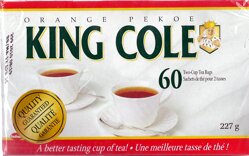
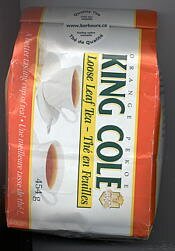
 King Cole tea is produced in Atlantic Canada and enjoyed by Newfoundlanders. King Cole tea is produced in Atlantic Canada and enjoyed by Newfoundlanders.Make the perfect cup of tea Hot tea
A growing body of research indicates that the tannins in tea are naturally-occurring flavonoids that have strong antioxidant properties. Drinking tea is a natural and pleasant way to increase dietary intake of antioxidants. There is mounting evidence that suggests that antioxidant-rich foods may play a role in reducing the risk of certain cancers, heart disease and stroke. At the second International Symposium on Tea and Human Health, held in Washington D.C. in September 1998, researchers indicated that black and green tea have comparable health benefits and that adding milk to tea, does not inhibit the body’s ability to benefit from the antioxidants in brewed tea. Natural, Calorie-Free Tea is an all-natural beverage, containing no additives, no artificial flavourings or colours. When tea is enjoyed without milk or sugar it has no calories and it's a tasty way to increase fluid intake during the day. Caffeine Tea contains 2-to-3 times less caffeine than coffee. According to the Food Guide Facts, a component of Canada's Food Guide to Healthy Eating, moderate daily intake of up to 400 to 450 mg of caffeine is within the recommended limit for most people. This represents an average of 10 to 12 cups of tea per day. Caffeine levels may vary depending on the type of tea (origins, growing conditions, etc.) or brewing time. Generally however, a 170 ml (6 ounces) cup of tea contains an average of 34 mg of caffeine. The information about the possible health benefits of tea presented on this Web site is not intended to replace the advice of a physician, dietitian or nutritionist. If you have any questions on your health, please consult your health professional. |
    (also phone in orders, check and purchase orders)  All Prices are in Canadian Dollars All Prices are in Canadian Dollarstidespoint.com P.O. Box 26120, St. John's, NL, Canada, A1E 0A5 Phone (local): 709-738-3435 ; Toll Free: 1-877-738-3435 email:sales@tidespoint.com tidespoint.com |
| ©tidespoint.com - Newfoundland and Labrador - All Rights Reserved |